Do you have over 15K of debt?
We’ll lower your repayments so you can live again.
At Debt Fix, we have a range of debt solutions that can:

Save you money
Stop the creditors calling
Put you back in control
It only takes 30 seconds to get started.
Making an application won't affect your credit rating.
 No Interest
 No upfront fees
 No more calls from creditors
We’re proud to have won the Word of Mouth Online Customer Service Award 2015, 2016 and 2017
Stop lying awake at night and worrying about debt.
Does this sound like you?
You’re in over $8k of debt.
You applied for a loan, and didn’t get approved.
Your bad credit is holding you back from the things you want.
You’ve got loans and unpaid bills in lots of places.
You’re avoiding constant debt collection calls.
You’re stressed about your debts.
You’re avoiding your friends, and they don’t know why.
You’re struggling to repay your debt and keep up with living costs.
You’re keeping debt secret from your parents.
It's hard dealing with debt alone.
It's time to look forward to financial security.
Debt Consolidation Loans
Take back control of your finances with ONE weekly payment
Pay what you can afford, not what the creditors are demanding.

Quick
All it takes is 30 seconds to get started. Filling out an application won't hurt your credit score.

Easy
We break down your plan into easy steps and one weekly payment, so you’re never overwhelmed.

We say "YES"!
Heard ‘no’ too many times? We’re here to say ‘yes’, and we’re on your side.
Our debt solutions
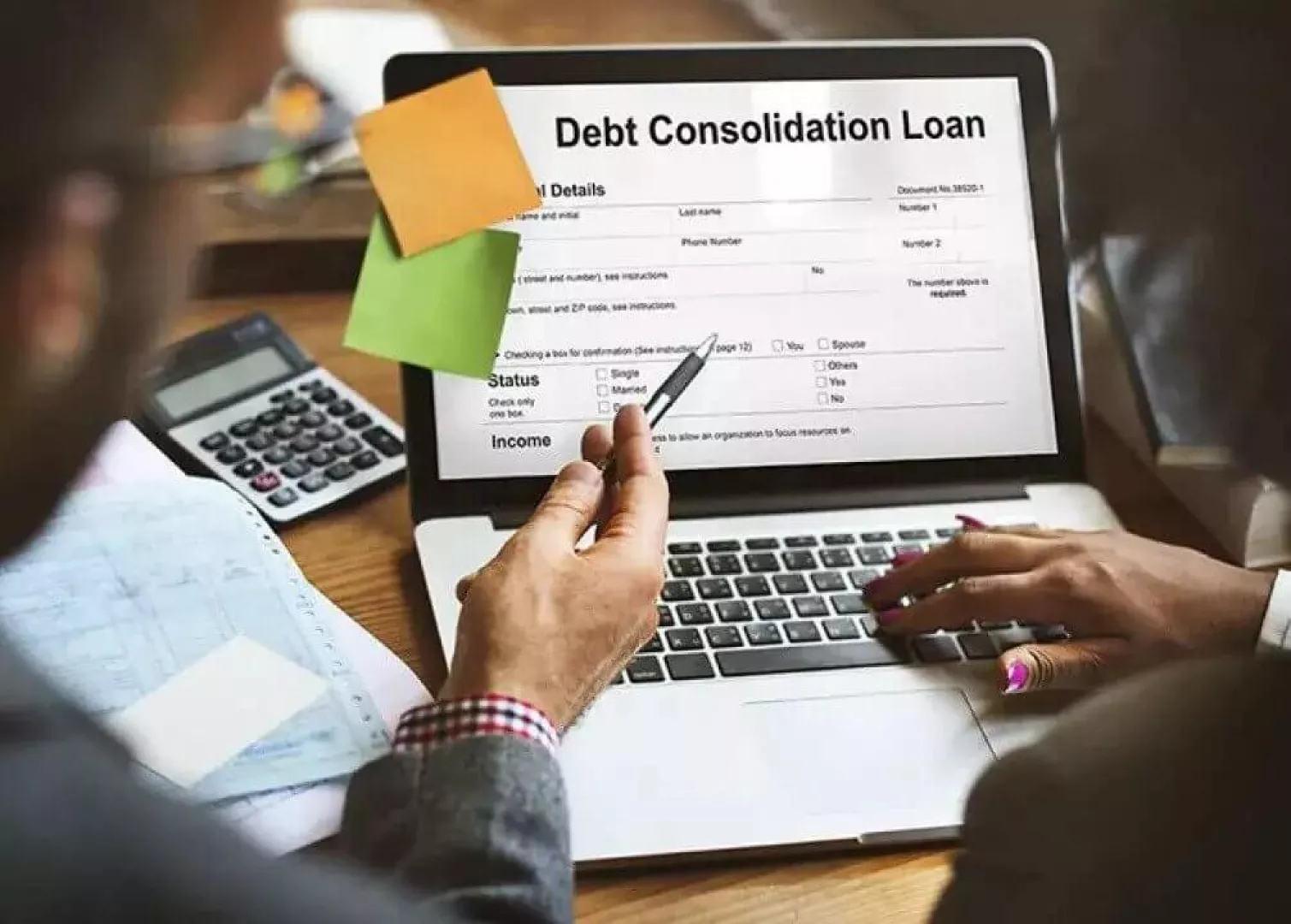
Debt Consolidation Loans
There are always alternative ways; avoid paying too much and start making savings on interest. Manage your debt effectively and plan for a future that is debt-free.

Personal Debt Help
Whether it’s to lower your monthly payments, or needing a little extra for that next big purchase, Debt Fix can get you the help you need.

Debt Agreement
Find a plan that’s right for you, which manages your situation so it relieves the burden of debt. We offer real financial solutions to fix problems, and can negotiate with creditors to settle your debt.

Fast Loan Approval
Fast and affordable options tailored to suit individual situations. With our help, you can work your way towards a debt-free future.
Why Debt Fix?

Personalised Approach
No two situations are the same, which is why we take the time to understand your concerns and create a plan tailored to your lifestyle.

Experience & Expertise
We’ve been helping people get out of debt for nearly two decades! We have helped thousands of Aussies and won awards for our customer service.

Fully Qualified & Compliant
We are a Registered Debt Agreement Administrator & Finance Broker. We’re members of AFCA and PIPA, and have an Australian Credit Licence.
Our 3 step plan for financial freedom
1
Get your free
30 minute consultation call.
2
We’ll create a debt relief plan
for you and get it
approved.
3
You look forward to
financial freedom.
Real reviews from real people
Why you should act now to secure a debt free future.
At Debt Fix we know you want to be financially free and to do this in today’s economy you need a plan to get out of debt.
The problem is that you don’t know where to start or who to talk to and the creditors are knocking at your door. This makes you feel overwhelmed and worried sick.
At Debt Fix, we believe you deserve to feel financially secure. We understand and we care about you, your family and your future.
That’s why we’ve helped thousands of Australians just like you to achieve financial freedom. Read more...>


Do you do loans for people with bad credit?
Debt Fix does offer debt consolidation loans. We also have a range of other solutions that might work better for your budget and debts. To find out which product is right for you, take our quick quiz now!
Will taking the quiz hurt my credit rating?
No, making an enquiry WON’T affect your credit score.
How long will it take me to get out of debt?
Depending on the debt solution you choose and the amount of debt you have, we’ll find the quickest way to get you out of debt. The time it takes will be based on the amount you can afford to pay back each week.
What happens if my circumstances change?
We understand that life happens and things change. If there’s a change to your life, we’ll work with you to make sure your debt solution still works for you.
How will you help?
We’ll take a look at all your debts, bills and also your income. Then we’ll find a way for you to get debt free by paying back what you can afford each week. The best bit?
We’ll freeze your interest, so your debts can only go down, not up!
What happens to the debt collection once I enter into a Part IX Debt Agreement?
Once a debt agreement is accepted: creditors cannot enforce remedies to recover debts bailiff/sheriff must not take action garnishee must cease debtor is released from most debt.